Why Foot Health Matters in Rehabilitation;

Recovering from an injury—especially one that affects the feet, ankles, or lower body—can be a slow and sometimes frustrating process. While it’s easy to focus on major muscle groups or overall mobility, foot health often plays a much bigger role than people expect.
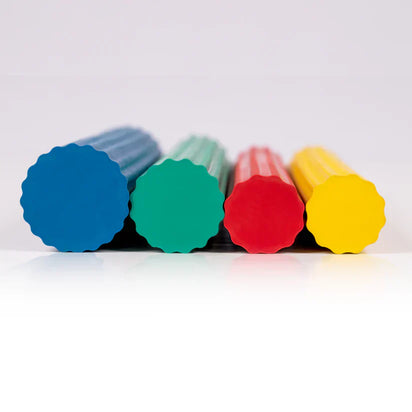
Small, consistent interventions can make a meaningful difference, particularly when they help reduce pain and restore movement. One example is the THERABAND Foot Roller, a compact tool designed to support foot comfort and mobility during recovery.
This article explores how something simple like a foot roller can contribute to rehabilitation and why it’s often included in recovery routines.
The Foundation of Movement
The feet act as the body’s base of support. They influence balance, posture, walking patterns, and overall stability. When there’s pain or stiffness in the feet, it can affect how the entire body moves.
Conditions such as plantar fasciitis, heel pain, and general foot fatigue are common during recovery. These issues can limit mobility and slow progress if not addressed.
Tools like the THERABAND Foot Roller are designed to target these concerns by focusing on the plantar fascia and the smaller muscles in the foot—areas that are often overlooked but essential for proper movement.
Targeted Relief for Everyday Discomfort
One of the most immediate benefits of using a foot roller is localized pain relief.
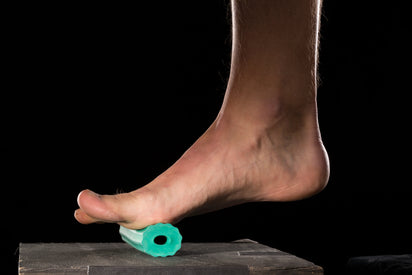
By rolling the foot over its textured surface, gentle pressure is applied to sore areas. This creates a self-massage effect that can help ease:
-
Arch discomfort
-
Heel pain
-
General soreness
While the relief may be temporary, it can make a noticeable difference. Reduced discomfort often makes it easier to return to daily activities and participate in other aspects of rehabilitation.

Improving Flexibility Through Stretching
Tightness in the plantar fascia—a thick band of tissue along the bottom of the foot—can limit movement and contribute to pain.
Using a foot roller helps stretch this area in a controlled way, which can:
-
Improve flexibility
-
Reduce stiffness
-
Support better range of motion
For individuals recovering from injury or long periods of inactivity, this kind of gentle stretching can help reintroduce movement without added strain.
Encouraging Circulation and Recovery
Even small amounts of movement can support healing.
Using a foot roller stimulates blood flow in the foot, which plays an important role in recovery. Improved circulation helps deliver oxygen and nutrients to tissues while also reducing swelling.
For those who are less mobile, this type of stimulation can be particularly useful in preventing stiffness and maintaining tissue health.
The Role of Myofascial Release
The textured surface of the THERABAND Foot Roller is designed to do more than just massage the foot. It also supports myofascial release—a technique that targets tight connective tissue.
This can help:
-
Reduce tension
-
Improve flexibility
-
Encourage more natural movement patterns
In a rehabilitation setting, releasing tight fascia can help prevent compensations that might otherwise lead to discomfort in other parts of the body.
Adding Cold Therapy for Extra Relief
Another feature of the foot roller is its ability to be used for cold therapy. When chilled, it can help:
-
Reduce inflammation
-
Numb sore areas
-
Soothe irritated tissues
This can be especially helpful after physical activity or therapy sessions, when the feet may feel fatigued or inflamed.
Combining massage with cold therapy makes it a versatile option for recovery routines.
Simple to Use, Easy to Maintain
One of the advantages of a tool like this is its simplicity. It doesn’t require special setup, supervision, or a dedicated space.
Because it’s small and portable, it can be used at home, at work, or even while seated. This makes it easier to incorporate into daily routines without adding extra effort.
Short, regular sessions—just a few minutes at a time—can be more effective than occasional longer use.
Who Might Benefit
A foot roller can be useful for a variety of individuals, including:
-
People recovering from lower-body surgery
-
Those dealing with plantar fasciitis or heel pain
-
Older adults looking for gentle, accessible movement
-
Athletes recovering from foot-related strain
-
Individuals returning to activity after long periods of inactivity
Tips for Getting Started
To make the most of a foot roller, a few simple practices can help:
-
Begin with light pressure and increase gradually
-
Roll slowly from the toes to the heel
-
Use it consistently throughout the day
-
Try cold therapy after activity if needed
-
Pay attention to how your body responds
The goal is steady, controlled use—not intensity.

Keeping Expectations Realistic
While helpful, a foot roller is not a standalone solution. It works best as part of a broader recovery plan that may include stretching, strengthening exercises, and proper footwear.
Its role is to support comfort and mobility, making it easier to stay consistent with other aspects of rehabilitation.
Final Thoughts
Recovery often depends on small, repeatable actions rather than major efforts. Tools that are easy to use and integrate into daily life can play an important role in maintaining progress.
The THERABAND Foot Roller is a simple example of this approach. By helping reduce discomfort, improve flexibility, and encourage regular movement, it supports recovery in a practical and accessible way.
Sometimes, the most effective steps forward are also the simplest.
Disclaimer: Always consult with your physician or another qualified healthcare provider before beginning any new exercise program, especially if you have any medical conditions or concerns.
READ ARTICLES